
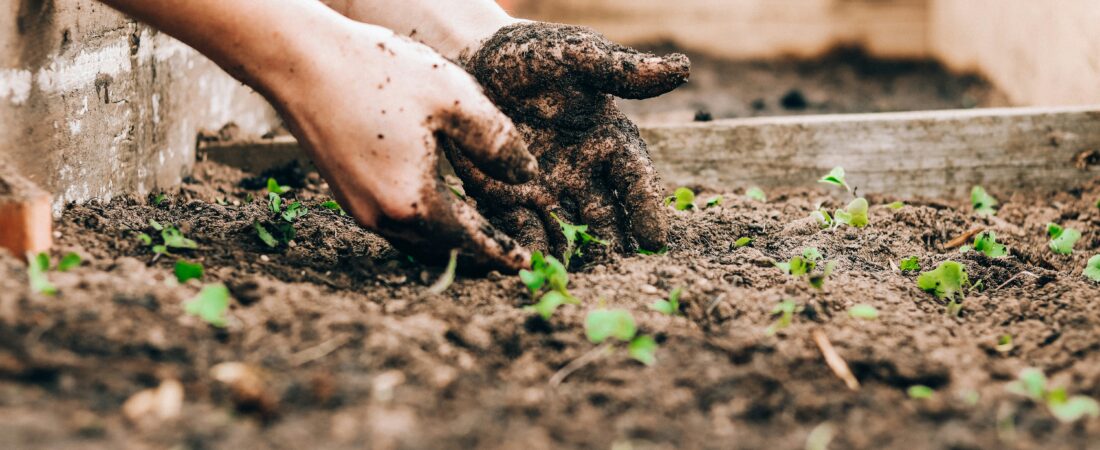
One of the most underrated parenting moves of the summer: hand a child a seed, show them how to put it in the dirt, water it together, and then watch what happens to them over the next few weeks.
Kids who garden learn patience, responsibility, biology, and the fundamental magic of putting something tiny in the ground and watching it become food. They also eat vegetables they grew themselves at a rate that will genuinely surprise you. There is no other vegetable delivery system as effective as “I grew this.”
Here’s how to start and what actually works with small hands.
Start Small, Start Fast
The biggest mistake is going too big. One raised bed. One container. Even just a row of pots on the back steps. What you want in year one is success… something they can see growing, touch, and eventually eat. That’s what brings them back next year.
Go for fast growers first. Kids lose interest when nothing is happening. Choose plants that show visible progress quickly:
- Radishes are ready in 25 days. That’s less than a month from seed to harvest. Plant them first.
- Sunflowers grow fast and kids can measure them daily. Plant one at the start of summer and watch it get taller than they are.
- Nasturtiums bloom in about six weeks and are entirely edible – flowers, leaves, all of it. Peppery and beautiful. Kids love eating flowers.
- Cherry tomatoes take longer but produce abundantly in late summer. Cherry tomatoes eaten warm off the vine in your own backyard are a flavor experience that converts even committed vegetable-haters.
- Cucumbers are fast, prolific, and easy. Kids love finding the big ones hiding under the leaves.
- Beans (pole beans especially) are almost foolproof. Stick a bamboo teepee in the ground, plant seeds around it, and watch the vines climb. Then harvest is a daily treasure hunt.
Make It Theirs
Give them a specific plot, container, or row that is genuinely theirs to manage. Put their name on a stake. Let them choose what goes in it (make this the time to talk about growing zones and what will actually work here). When it’s theirs, they water it without being asked. When it’s the family garden, it becomes a chore.
Let them pick the seeds at the store or from a seed catalog. Give them a small watering can that’s sized for their hands. Buy them their own trowel. These are tiny investments with enormous returns in engagement.
The Jobs Little Hands Are Actually Good At
- Poking holes for seeds? Fingers are perfect tools
- Dropping seeds into holes and covering them
- Watering (a child-sized can prevents the drowning-enthusiasm problem)
- Weeding (teach them what the weeds look like first)
- Harvesting anything… this is the payoff, so make it a big deal
- Decorating plant markers so each vegetable gets a labeled stick, decorated however they want
Finger Lakes-Specific Tips
Our growing season is shorter than it looks on a seed packet. Most seed packets are written for zones 6-7; much of the Finger Lakes is zone 5b-6a. Check the last frost date for your specific area before planting. Typically mid-May, sometimes later.
Start some things indoors in April. Tomatoes, peppers, and cucumbers benefit from a head start. A sunny windowsill and a seed-starting kit is a wonderful late-winter project with kids – planting in March and watching seedlings emerge while there’s still snow outside is kind of magical.
Compost with kids. A small backyard compost bin is an endlessly interesting thing for curious kids. Fruit peels, coffee grounds, vegetable scraps, grass clippings – it all becomes something else. Teach them what goes in and what doesn’t, and let them be the one to scrape the kitchen scraps. Adding leaves for carbon. Or, turning over to find those worms!
Visit a local farm stand or U-Pick. There’s nothing like seeing farming at scale to put a child’s little tomato plant in context. The Finger Lakes has U-Pick farms for strawberries, blueberries, and more throughout the summer, so let the garden be a gateway to understanding where food actually comes from.
The Big Picture Stuff
A kid who grows something eats differently, thinks differently, and pays attention to the natural world differently. That’s not a small thing. A few pots of tomatoes on the back steps is the beginning of a relationship with food and nature that can last a lifetime.
Start this weekend! The soil is warming up and it’s not too late. 🌱