
The school year does not ease in. It arrives fast, with a permission slip that was due yesterday and a lunch box that needs to be somewhere in four minutes and someone’s sneaker that may or may not still fit.
The families who make it through September without losing their minds are usually the ones who did a few things in August while they still had time to think clearly.
Sort the clothes now, not in September.
Go through every kid’s closet and drawers this week. Pull out anything too small, too worn, or seasonally wrong for school. Our shoulder seasons in the Finger Lakes are notoriously unpredictable: September can feel like July or like October, sometimes within the same week. Make sure each child has layers, a light jacket they can stuff in a backpack, and enough actual outfits that laundry day isn’t a crisis. Ten full outfits per kid is a reasonable target if you’re washing weekly. While you’re at it, check the shoes. Nothing like discovering on the first day of school that the only acceptable sneakers are half a size too small.
Create a landing zone and make it real.
Every family needs a place where the backpack lands, where the coat goes, where the lunchbox gets deposited at the end of the day. If this place does not currently exist in your home, build it this weekend. Hooks near the door, a small bench, a dedicated shelf in the mudroom, a labeled cubby system from any big box store for under fifty dollars. Without a landing zone, those items will live on the kitchen floor from September through June and everyone will be irritated about it daily.
For families in more rural parts of Steuben, Schuyler, or Chemung county where kids might be coming in through a back door, a side entrance, or a garage: the landing zone works wherever the kids actually enter. Put it there, not where you wish they came in.
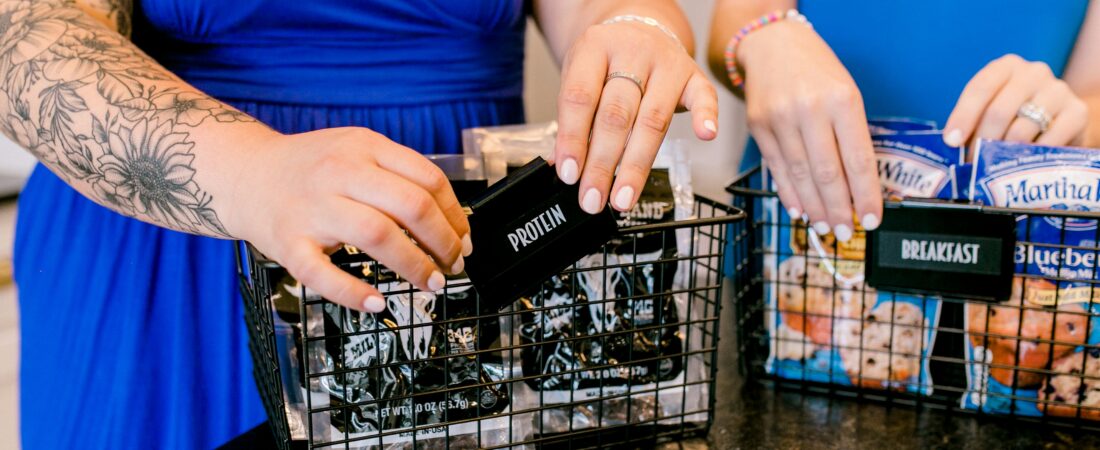
Build the snack and lunch system before you need it.
Set up a dedicated grab-and-go section in your pantry and one shelf in the refrigerator door specifically for school-day food. Fill it before school starts so kids know the system before they’re hungry and rushing. Individually portioned snacks, sandwich fixings that live in a specific spot, fruit that’s already washed and at eye level, the things your child will actually eat in a lunch box. This setup saves you from making lunch decisions at 7 AM, which is a terrible time to make any decisions.
Decide where homework happens and set it up.
This one sounds simple and is actually quite powerful. A child who has a consistent, dedicated spot for homework builds a neural association between that place and focused work. It does not have to be fancy: a cleared desk in their room, a specific chair at the kitchen table, a homework corner in the den. Whatever it is, set it up before school starts. Put the supplies there: pencils, scissors, a highlighter, scratch paper, and whatever your child specifically needs. If music helps them focus, build that playlist now. Showing up to homework with a prepared environment takes about half the friction out of actually starting it.
Paper management: decide now, not in October.
Every school week produces paper. Folders, worksheets, field trip permission slips, art projects, newsletters, lunch menus. Without a system, these live on the counter in a pile that becomes a source of low-grade stress for the entire household. Designate a tray or a folder on the counter for incoming school papers. Check it each evening. Sign what needs signing, recycle what doesn’t need keeping, and do a proper sort once a week. Simple, consistent, and worth setting up before the first paper arrives.
You’ll thank yourself come September.